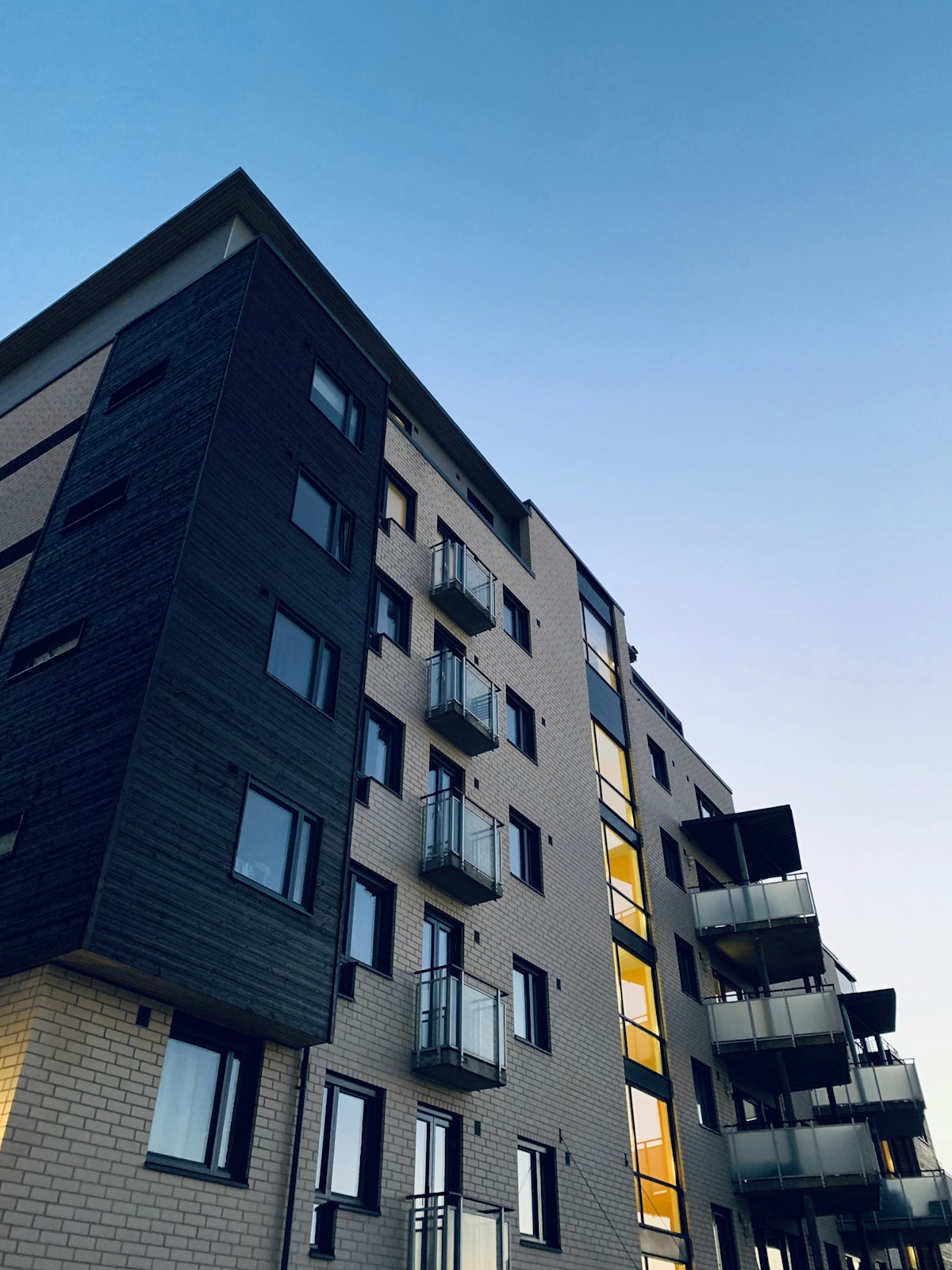
La Paz · Southern District
Illimani Tower 32
32 floorsCore structure phase
Estimated yield 12.4%
Vixoltra pools capital from everyday people to fund residential towers and housing complexes across La Paz, Santa Cruz and Cochabamba. Invest from accessible amounts and be part of Bolivia's urban growth.

Browse towers, residential buildings and housing complexes in La Paz, Santa Cruz and Cochabamba. Review timelines, guarantees and yield projections.
Invest from Bs 700. Your capital joins that of other Bolivians to jointly finance the construction of each property.
Get construction updates from your profile and collect your return at the closing of the project or according to the agreed milestones.
A selection of live residential developments listed on the Vixoltra platform.




Real estate crowdlending is a modern, accessible way to take part in the property market without needing a large sum of money. The model pools capital from many people to finance construction projects, property renovations and the development of new urban spaces.
Through a digital platform, you can review different opportunities, pick the one that best fits your financial goals and invest according to your means. The raised capital is directed to a specific initiative and, once its milestones are reached, the returns are distributed in proportion to each participant's contribution.
In Bolivia, where urban growth and housing demand remain steadily dynamic, crowdlending brings real estate closer to every kind of profile. It is a key shift that leaves behind the era when property investment was reserved for large developers or institutional funds only.
The scheme lets you join projects of very different natures — from residential buildings and housing complexes to commercial works and renovations. Entry to the property sector gains flexibility, openness and adaptability.
The process is very simple:
Combining technology and collective financing simplifies access to the real estate market without unnecessary bureaucracy.
More than a passing trend, this model reshapes how people invest in the Bolivian market. Its core value lies in democratising access to opportunities of a scale that were previously out of reach for the individual investor.
Informational clarity is the backbone of the process. Every investor can verify exactly where their money is at work, how construction is advancing and under what conditions they participate. Beyond the financial return, crowdlending lets you be an active part of Bolivia's urban development, driving the transformation of cities and neighbourhoods across the country.
Every two weeks we send you an email with the vertical projects opening to the public, market analysis on Bolivia and practical real estate crowdlending guides.
We use our own and third-party cookies to analyse traffic, personalise content and measure the performance of our campaigns. You can accept all, reject them or manage your preferences at any time. Cookie Policy.